
ApoE-related Research
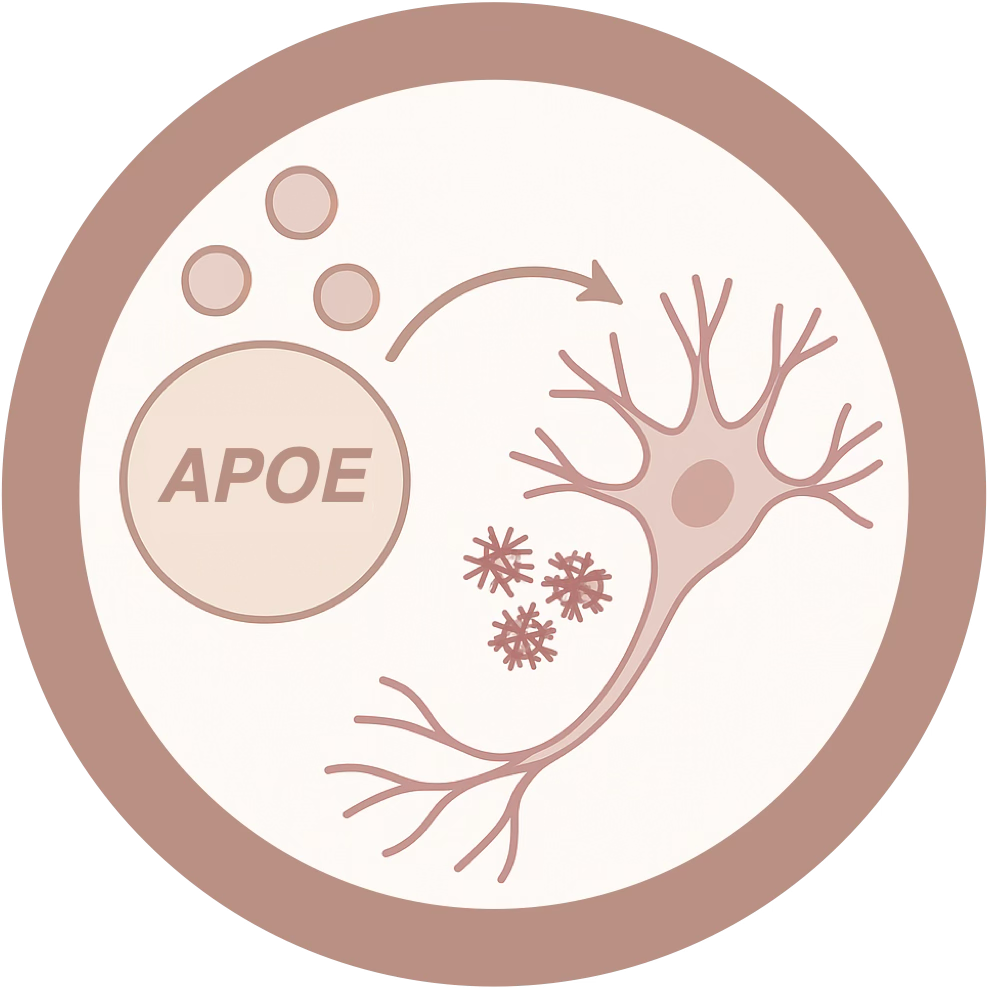
ApoE cascade hypothesis
The biochemical and biophysical properties of apoE initiate a cascade of events at the cellular and systems levels, ultimately impacting aging-related pathogenic conditions including AD. (Martens et al, Neuron, 2022)
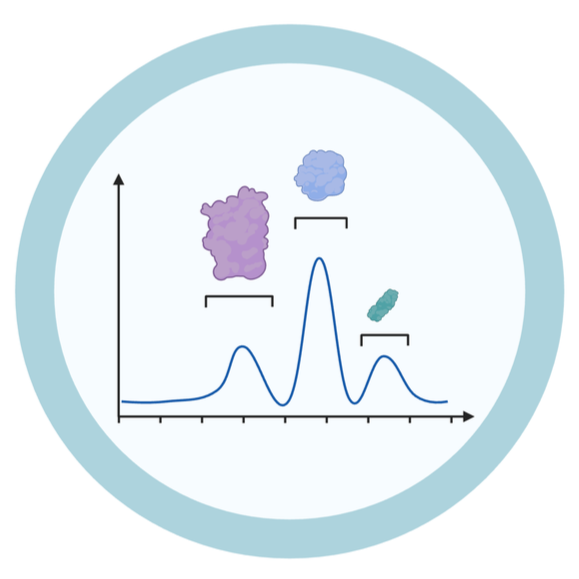
Biophysical and biochemical proporties of ApoE
We aim to elucidate the biophysical and biochemical properties of apoE, focusing on its isoform-specific binding to proteins, receptors, and lipids, and uncover their relevance to Alzheimer's disease and the underlying mechanisms driving disease progression.

Cell biology of ApoE
We aim to investigate the cell biology of apoE using iPSC-derived brain cells, focusing on its synthesis, secretion, lipidation, and degradation. The research will highlight isoform-specific cellular differences and their implications in Alzheimer's disease pathogenesis.

Omics approaches to ApoE
Through integrative multi-omics analyses of human brain, plasma, and CSF, we aim to discover APOE genotype–specific transcriptomic, proteomic, and lipidomic signatures, revealing key pathways and potential therapeutic targets in apoE-related pathophysiology.
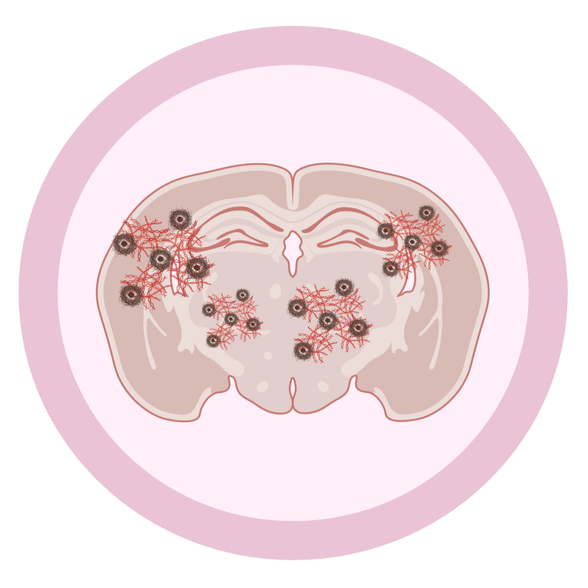
In vivo ApoE studies
Using animal models, we aim to elucidate the pathophysiological mechanisms of apoE, including cell-autonomous and non-autonomous effects, and their impact on AD pathology, as well as the effects of peripheral apoE and the roles of different apoE receptors.
AI-driven ApoE research
By developing AI models trained on large-scale population datasets, we aim to uncover the intricate relationships between APOE, health, and disease. Integrating multimodal data, we aim to generate APOE-based predictions to advance understanding of aging and disease risk.

ApoE-targeted therapies
We aim to develop ApoE-targeted therapeutic strategies, including antibodies, small molecules, and AAV-based approaches, and evaluate their safety and efficacy in preclinical animal models to advance the translational development of ApoE-targeted therapies.